What modern Palm Bay actually is
Palm Bay is Brevard County's largest city by population. It has the county's largest land area. It has no clearly defined downtown. It has no signature industry. It is mostly residential, mostly suburban, mostly the product of a 65-year-old land development plan that has substantially run its course. This is what Palm Bay is in 2026.
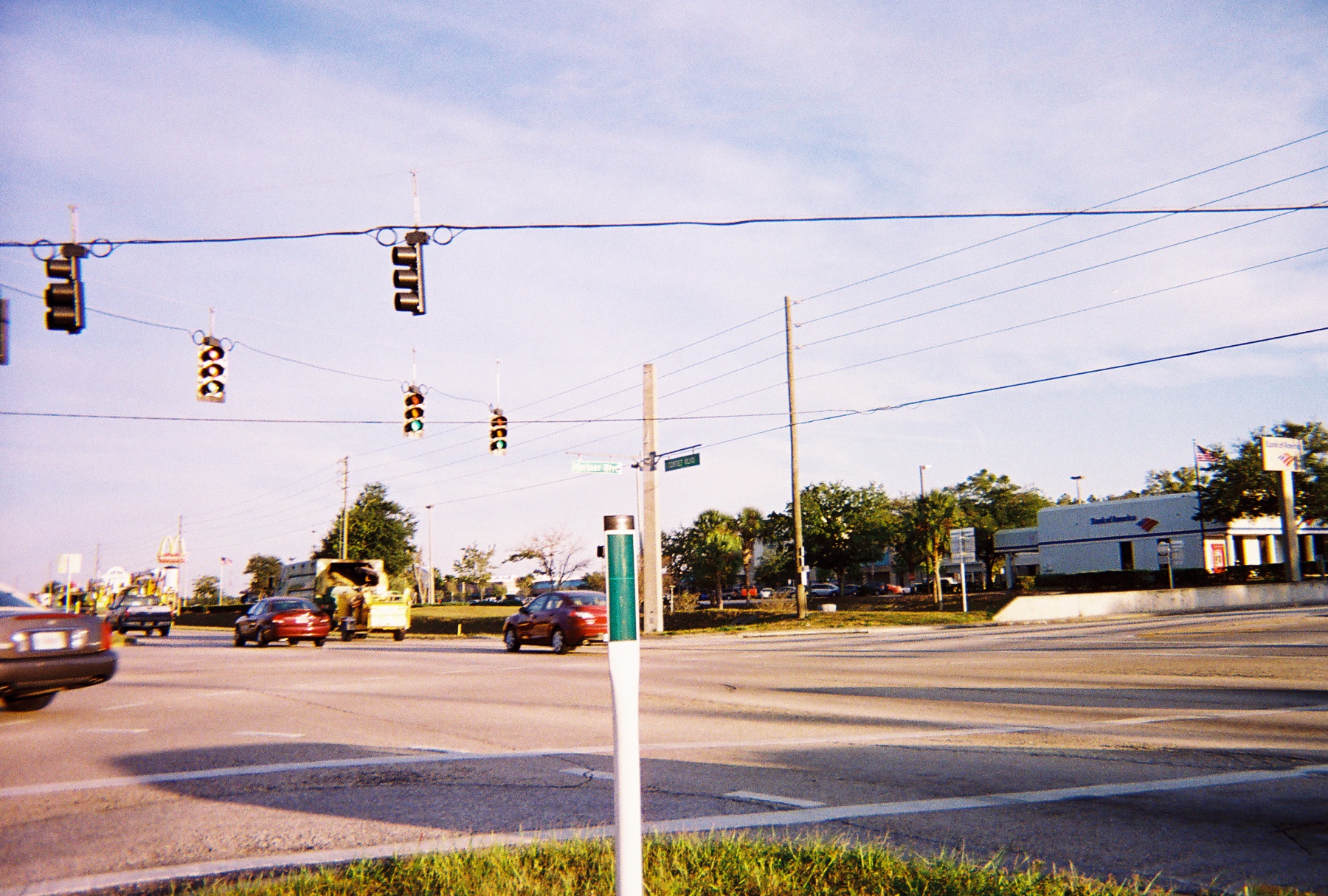
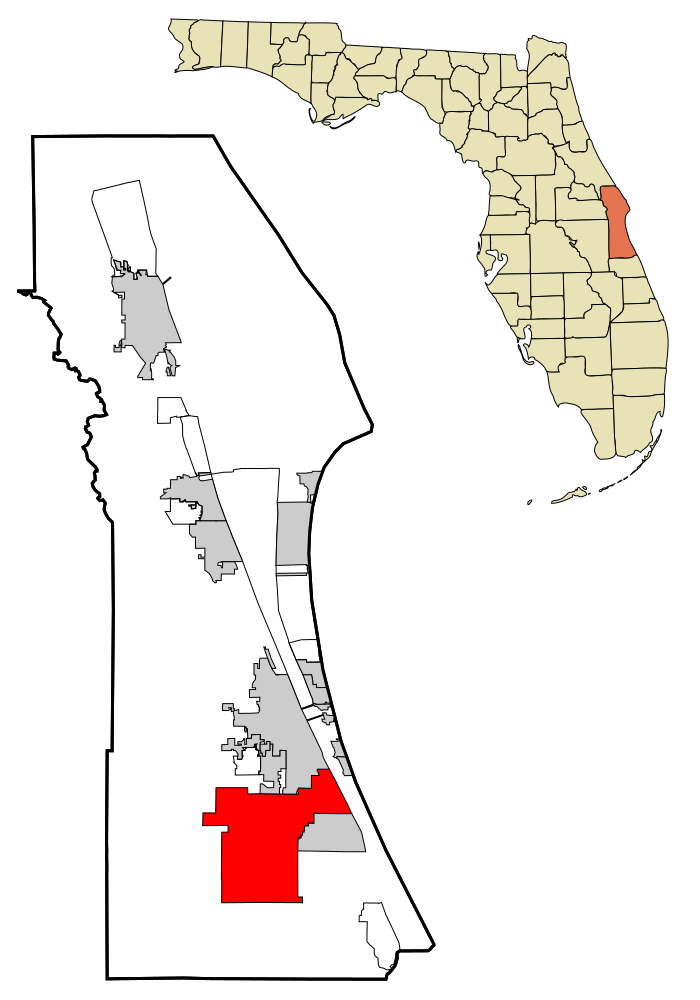
Palm Bay is Brevard County’s largest city by population (approximately 120,000) and by land area (approximately 100 square miles). It is larger than Melbourne, larger than Titusville, larger than Cocoa, larger than Cocoa Beach. It has roughly the population of West Palm Beach. It has roughly the land area of San Francisco.
It is also, by most observable measures of urban character, a fundamentally suburban place. It has no downtown. It has no concentrated commercial district that functions as a civic center. It has no signature industry, no notable cultural institutions, no defining architecture. The city’s identity, if it has one beyond size, is that of “the place where most southern Brevard County lives.”
This is a fair and accurate description of what Palm Bay is in 2026. It is not a complaint or a criticism. It is what the city actually is.
The geography
Palm Bay’s 100 square miles of land occupies most of the southern portion of Brevard County, from the Indian River Lagoon on the east to roughly I-95 on the west, from Eau Gallie/Melbourne on the north to Malabar township on the south. Within this footprint, approximately 90% of developed land is residential. The remaining 10% includes commercial corridors (primarily along Palm Bay Road, U.S. 1, and various arterial routes), schools, parks, churches, and the limited industrial and institutional uses present in the city.
The residential character is overwhelming. A visitor driving across Palm Bay from east to west or north to south will pass mostly through single-family residential neighborhoods, with commercial uses concentrated at major intersections and along arterials. There is no clear transition from residential to commercial or industrial zones; the commercial uses are inserted into the residential matrix rather than concentrated in defined districts.
The economic base
Palm Bay does not have a defining industry. The city’s employment is distributed across the standard range of suburban occupations: retail, healthcare, education, public administration, food service, construction, transportation, and various professional services. The city has some manufacturing presence, most notably the L3Harris Technologies facility (and predecessors like Harris Corporation) in Palm Bay, which employs several thousand engineers and technical workers.
L3Harris is the closest thing Palm Bay has to a signature employer. The company is a major defense electronics contractor; its Palm Bay operations produce communications and electronic warfare systems for U.S. military and intelligence customers. The facility’s presence has supported a substantial technical and engineering workforce in Palm Bay since the original Harris operations were established decades ago.
Beyond L3Harris and the standard suburban service economy, Palm Bay doesn’t have a major economic base. The city is a bedroom community for various Brevard County employers: the Cape Canaveral space industry, the broader Patrick Space Force Base area defense operations, the Florida Institute of Technology in Melbourne, the healthcare systems serving Brevard County, the retail and service sectors throughout the area.
The civic center problem
Most American cities, even most suburban cities, have some kind of civic center or downtown. Palm Bay doesn’t, in any meaningful sense. The City Hall complex on Port Malabar Boulevard is a functional government facility, but it is not surrounded by any kind of commercial or cultural concentration that would make it feel like the center of the city.
The closest thing to a Palm Bay downtown is the old eastern Palm Bay around U.S. 1 and Dixon Boulevard, the Tillman-era footprint that the Bayfront CRA has been trying to revitalize for two decades. But this district is small, geographically peripheral relative to the city’s actual residential population center, and dominated by 1960s-1970s strip development rather than any kind of walkable urban form.
The lack of a civic center is structural, not accidental. GDC’s 1960s-1970s plat was a residential development, not a city center. The company built houses and the infrastructure to support houses. There was no master plan for a downtown. As the city grew, commercial activity distributed along arterials and at intersections rather than concentrating at a center. The pattern is now too deeply embedded in the city’s form to be reversed easily.
The strategic plan question
The City of Palm Bay’s strategic planning documents and annual reports discuss various initiatives to address the civic-identity question. The Bayfront CRA is one such initiative. Various proposed commercial-development incentive programs have been discussed at various points. The city has explored, at various points, whether a new “civic core” could be developed somewhere within its boundaries.
The honest assessment is that these initiatives have not produced a significant change in the city’s structural identity. Palm Bay remains a suburban residential city without a coherent civic center. The structural forces that produced this outcome (GDC’s residential focus, the absence of pre-incorporation urban form, the dispersal of commercial activity across arterials) are very difficult to reverse through municipal-government intervention.
What the city does well
Palm Bay’s strengths are real and worth naming. The city provides affordable housing in a high-cost state. The median home price in Palm Bay is well below the Brevard County median and significantly below Florida’s coastal-city medians. A family that cannot afford a home in Melbourne or Cocoa Beach can often afford one in Palm Bay. This is a meaningful contribution to regional housing supply.
The city’s public services are adequate to good. Public safety (police and fire) operations are professional and adequately staffed. Public works covers the standard suite of municipal services at conventional levels. Parks and recreation operations include the Turkey Creek Sanctuary, multiple community parks, and the standard recreational programming. The school district provides education to the city’s children at typical suburban quality levels.
The city’s natural environment is, despite the lagoon-condition issues, accessible and visible. Turkey Creek Sanctuary provides a substantial nature preserve. The Indian River Lagoon’s shoreline is accessible at multiple public parks. The city’s drainage canal system, despite its environmental costs, provides waterfront access on a scale that few inland cities have.
The civic life, while modest, exists. Churches, schools, sports leagues, civic organizations, neighborhood associations all operate. The city is not an anonymous mass of housing; it is a place where people live and interact, even if the formal civic infrastructure is less developed than in some peer cities.
What the city doesn’t have
It lacks a unifying civic identity. Residents of Palm Bay generally identify as Palm Bay residents, but they don’t share the strong civic identification that comes with a recognizable downtown, a signature industry, or a defining cultural institution.
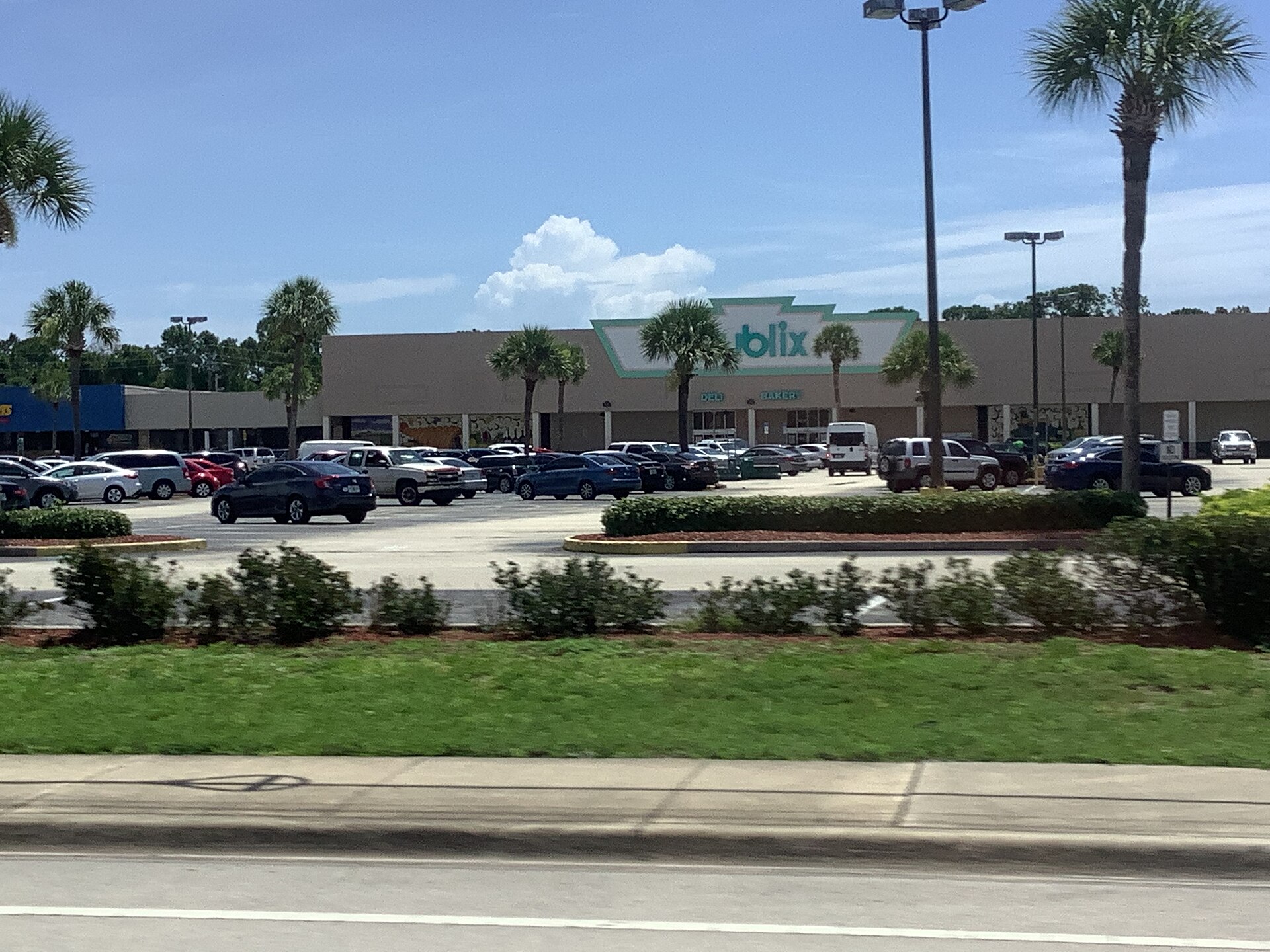
It lacks intensive commercial development. The retail and service economy serves the population adequately but does not function as a regional draw. People come to Palm Bay to live, not to shop, eat, or be entertained at a level that draws visitors from outside the city.
It lacks notable cultural institutions. There is no significant museum, no major performing arts venue, no specialized cultural collection. Cultural life in Palm Bay is what residents make of it through their own initiative, not what the city’s institutional landscape provides.
It lacks a clear vision for what it wants to become. The city’s strategic plans discuss various initiatives, but the underlying question of what Palm Bay should look like in 25 years has not been definitively answered. Should the city become more urban, with a developed downtown? Should it remain a residential bedroom community? Should it specialize in a particular economic sector? The answers are unclear, and the strategic decisions that would shape these outcomes have not been made.
What this means for the future
Palm Bay’s trajectory through 2050 will probably look much like its trajectory from 1990 to 2020: continued residential growth, continued buildout of remaining GDC-era lots and infill on assembled parcels, continued demographic diversification, continued infrastructure expansion to keep up with population growth, and continued absence of a defining civic identity.
This trajectory is not bad. It is the standard trajectory for fast-growing American suburban cities. Palm Bay is not unique in lacking a clear civic identity; many Sun Belt cities of similar size and character have the same structural feature. The trajectory produces a livable, affordable, generally functional residential city without producing the kind of recognizable urban character that some cities have.
Whether the trajectory should be different is a question of values. A Palm Bay with a developed downtown, a defining cultural institution, a unifying civic identity, would be a different city than the one that exists. Whether that different city would be a better city is not obvious. It would certainly be a different city.
For now, the city that exists is what it is. Its residents live in it. Its government operates it. Its history continues to accumulate. The next chapter of that history is being written by the choices being made now, by city government and by residents, about whether to accept the current trajectory or to try to change it. The accept-the-trajectory option is the default. The change-the-trajectory option requires sustained effort that has not been forthcoming in the past and may not be forthcoming in the future.
Palm Bay in 2026 is, in the end, the city that General Development built. The fact that GDC is gone, that the original Mackle brothers are dead, that the company itself dissolved in the 1990s, doesn’t change that. The street grid, the lot dimensions, the residential character, the absence of urban form, all of it traces back to 1959. Sixty-five years later, the inheritance is still the city’s defining feature.
Further Reading
As an Amazon Associate we earn from qualifying purchases.