What 'Old Palm Bay' means : editorial premise
This site uses the domain oldpalmbay.com. The domain previously hosted, from 2011 to 2017, a Palm Bay nostalgia site that read the GDC era as a long environmental and civic loss. This site has a broader scope: the full history, not the loss narrative. The choice to use this domain is deliberate. The reasoning is below.
This site uses the domain oldpalmbay.com. Between approximately 2011 and 2017, the same domain hosted a different site, a nostalgia and anti-development blog that read Palm Bay’s 20th-century transformation as a long environmental and civic loss. The prior site has been offline for years. We’ve reviewed its archived contents through the Internet Archive’s Wayback Machine.
We are not the prior site. Our editorial frame is different. Our scope is broader. But we think the prior site got several important things substantially right, and we want to acknowledge that before stating where we depart from it.
What the prior site argued
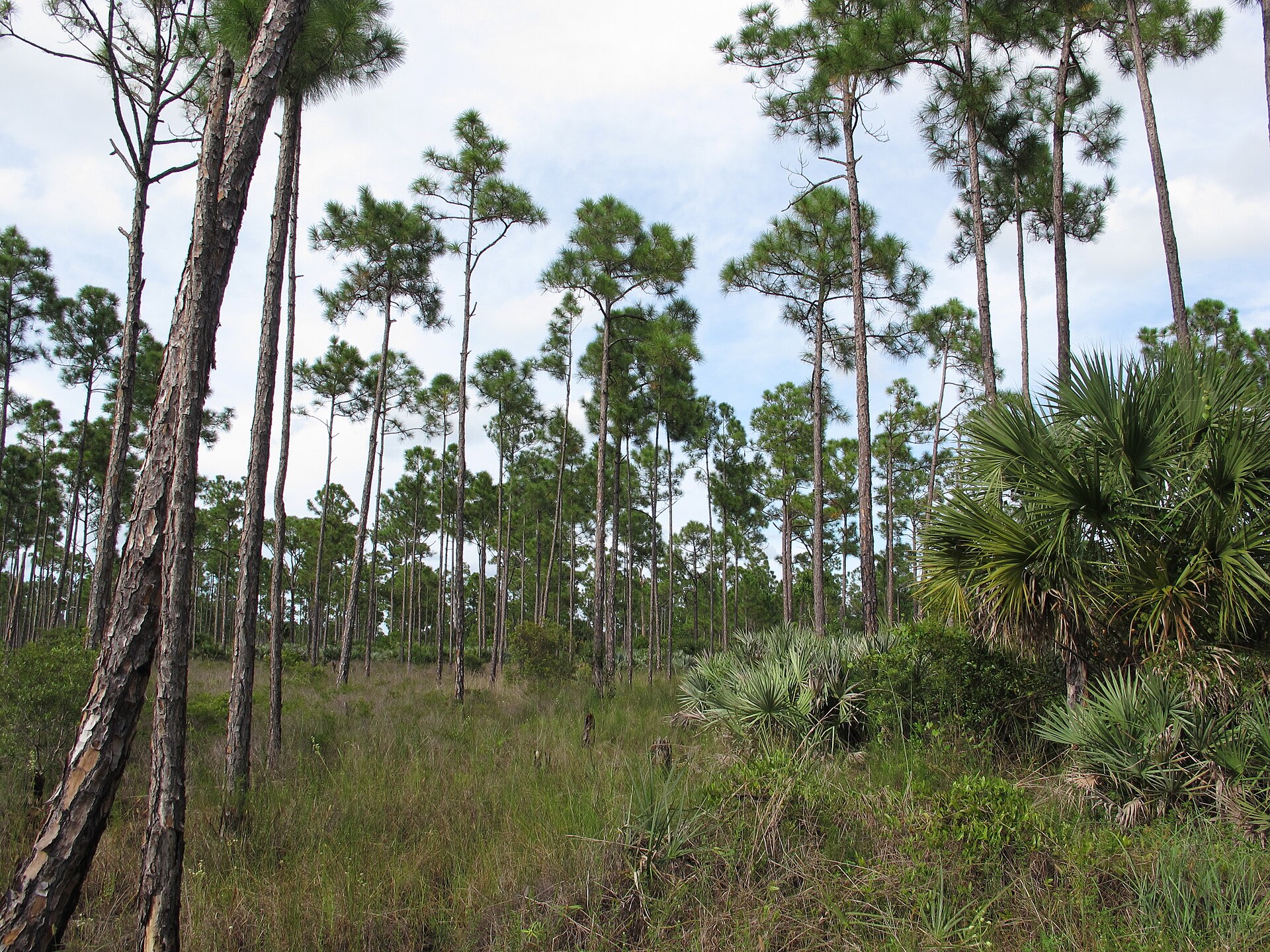
The 2011-2017 oldpalmbay.com site made the case that Palm Bay’s 1959-forward transformation had destroyed an ecosystem and produced a city that lacked the cohesive civic character of its pre-1959 predecessor. The site’s posts mourned the loss of pine flatwoods, the drainage of swamps, the destruction of the original village character, the displacement of older residents by newcomers, and the broader environmental and social consequences of the GDC era.
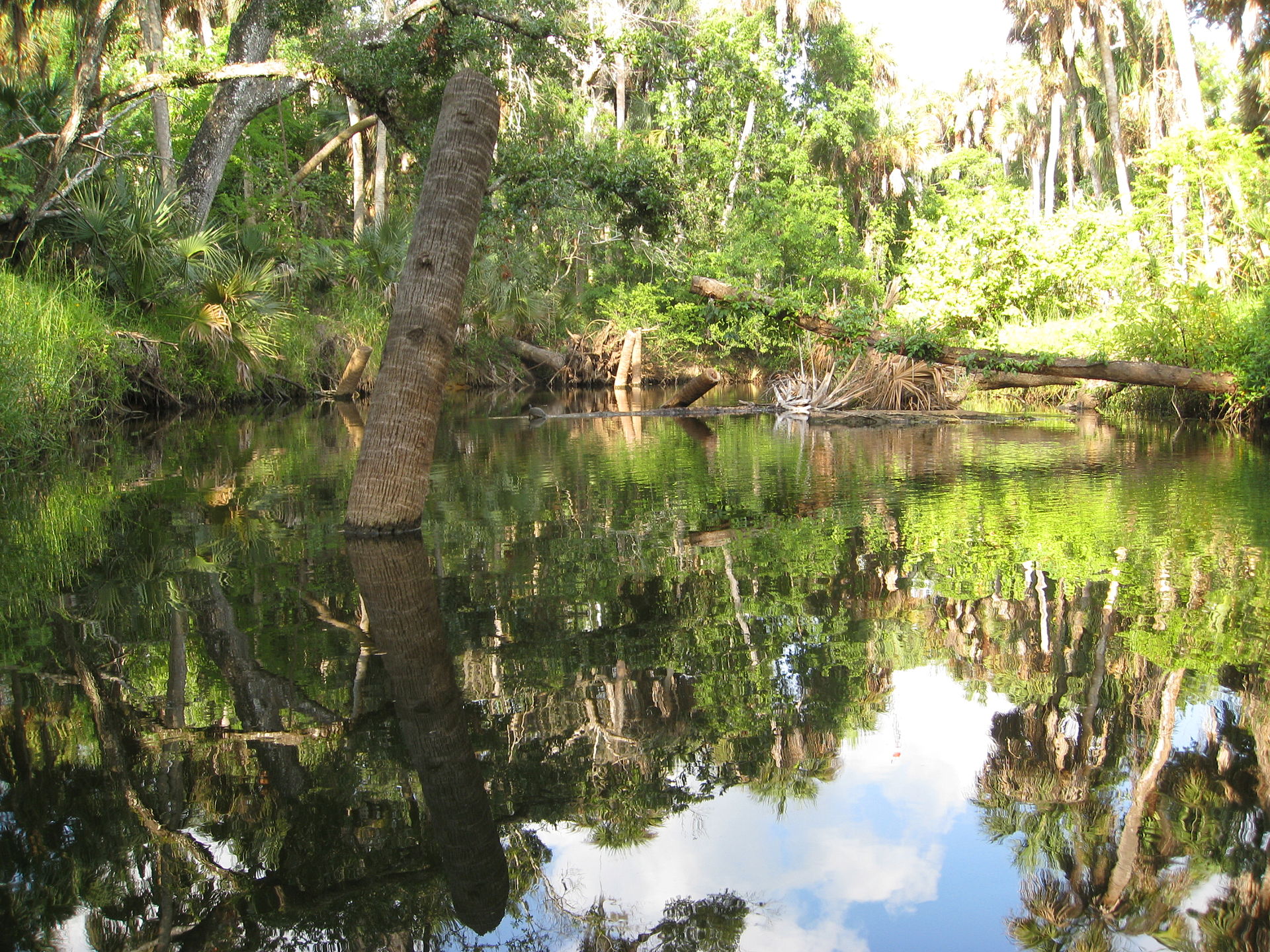
The site’s tone was elegiac. It read like a letter from a longtime resident watching a city he loved being transformed into something he didn’t recognize. The posts named specific ecosystems lost (the pine flatwoods west of U.S. 1, the cypress strands along Turkey Creek), specific institutions weakened (the small-town civic culture of the Tillman era), and specific consequences of growth (the lagoon’s degradation, the loss of architectural and social texture).
The site did not advocate for specific policy outcomes. It documented and lamented. The implicit recommendation, where one could be inferred, was that the kind of growth Palm Bay had experienced was net-negative for the place and that future Palm Bay residents should understand what had been lost.
What the prior site got right
The factual core of the prior site’s argument was substantially correct. The pine flatwoods that covered most of pre-1959 Palm Bay are gone. The cypress strands have been reduced to remnants. The drainage canals discharge nutrient-laden water that contributes to the lagoon’s collapse. The Tillman-era civic culture has been replaced by a suburban culture that doesn’t have the same kind of social fabric. The GDC sales operations did defraud large numbers of buyers. The 1990 criminal case did send three executives to prison. The 1987 shootings happened.
These are not in dispute. The prior site documented them with reasonable accuracy and presented them in a frame that emphasized their cumulative weight. We have written about them in this site’s articles using the same primary sources and reaching substantially similar factual conclusions.
The prior site’s frame, that Palm Bay’s transformation was a net-negative for the place, is a defensible reading of the evidence. It is not the only defensible reading, but it is one that takes the evidence seriously rather than dismissing it.
Where we depart from the prior site
Our scope is broader. We cover the same losses the prior site covered, but we also cover the Ais occupation, the Tillman-era development, the demographic shifts since 1980, the Hispanic community’s growth, the Black community’s continuous presence, the institutional history of the schools and the police department, the 2004 hurricanes, the Bayfront CRA, Turkey Creek Sanctuary as a successful preservation effort. The full historical scope, not the loss-of-Eden narrative arc.
Our frame is neither nostalgic nor boosterish. The prior site mourned what was lost. Some city marketing materials celebrate what was gained. We try to do neither. We try to document the city’s actual record, including what was lost, what was gained, what was traded off, and what the city is now.
We do not believe the GDC era was a net-negative for Palm Bay. We do not believe it was a net-positive either. We think it was the actual history that happened, with specific costs and specific benefits that the city’s current residents are still living with. The question of whether the city would be better off if 1959 had never happened is essentially counterfactual; it cannot be answered from the standpoint of a city that exists because 1959 did happen.
What we can do is name the costs honestly (the lagoon’s decline, the buyers’ fraud, the absence of civic center, the GDC-era environmental damage) and name the benefits honestly (the housing supply, the school system, the public services, the Turkey Creek Sanctuary, the economic activity supporting 120,000 residents). Both sets of facts are real. Both belong in the historical record.
What this site is for
This site exists to document Palm Bay’s history in a way that’s accessible, primary-source-based, and not constrained to a single editorial frame. We cover the Ais because the Ais were here. We cover Tillman because Tillman was here. We cover GDC because GDC built the modern city. We cover the 1987 shootings because they happened. We cover the demographic shifts because they’re transforming the city’s composition.
The intended audience is anyone who wants to understand Palm Bay beyond the level of “the city west of Melbourne” or “the city where William Cruse killed those people” or “the GDC subdivision town.” That audience includes long-term Palm Bay residents who lived through portions of the history we cover, newer residents who want to understand the place they’ve moved to, regional researchers and historians, students, and the broader interested public.
What the prior site going quiet tells us
The 2011-2017 oldpalmbay.com site stopped operating sometime in 2017, based on the Wayback Machine capture history. We do not know why. The reasons could include the operator’s death or illness, loss of interest, change of professional circumstances, or simply the standard reasons that personal websites end. We have not attempted to identify or contact the prior operator; we don’t know who they were.
The site’s disappearance left a gap in the available online coverage of Palm Bay’s history. The mainstream coverage is dominated by city-government materials (which emphasize the official narrative), real estate marketing materials (which emphasize the city’s current strengths), and news coverage (which is current-events-focused rather than historical). The kind of historical-research-with-an-editorial-frame coverage that the prior site provided has been absent since 2017.
We are not trying to replicate the prior site’s coverage. We are trying to fill the broader gap that exists for primary-source-based historical writing about Palm Bay. The prior site is one of several sources we read in preparing this site; we cite the Wayback Machine archive in this article and acknowledge it as part of the historical record.
What we believe
We believe the Ais were here for a thousand years before Europeans arrived. We believe Tillman was a real village before it became Palm Bay. We believe General Development Corporation transformed the place in ways that produced both a city and a long list of structural problems. We believe the lagoon is in trouble. We believe the city’s current residents are mostly doing their best to live in the place they’ve inherited. We believe the next chapter is being written by current choices that the historical record will eventually document.
We don’t believe Palm Bay was better in 1959. We don’t believe it’s better now. We believe it’s different, in measurable ways, and that the differences are worth understanding rather than mourned or celebrated.
That’s the editorial frame. It will not satisfy nostalgists who want elegies. It will not satisfy boosters who want celebrations. It tries to satisfy readers who want accurate history with honest editorial framing. That’s the audience we’re writing for. If you’re one of them, thank you for reading.
Further Reading
As an Amazon Associate we earn from qualifying purchases.