Writing
Notes, essays, and research from Old Palm Bay.
- Naming history
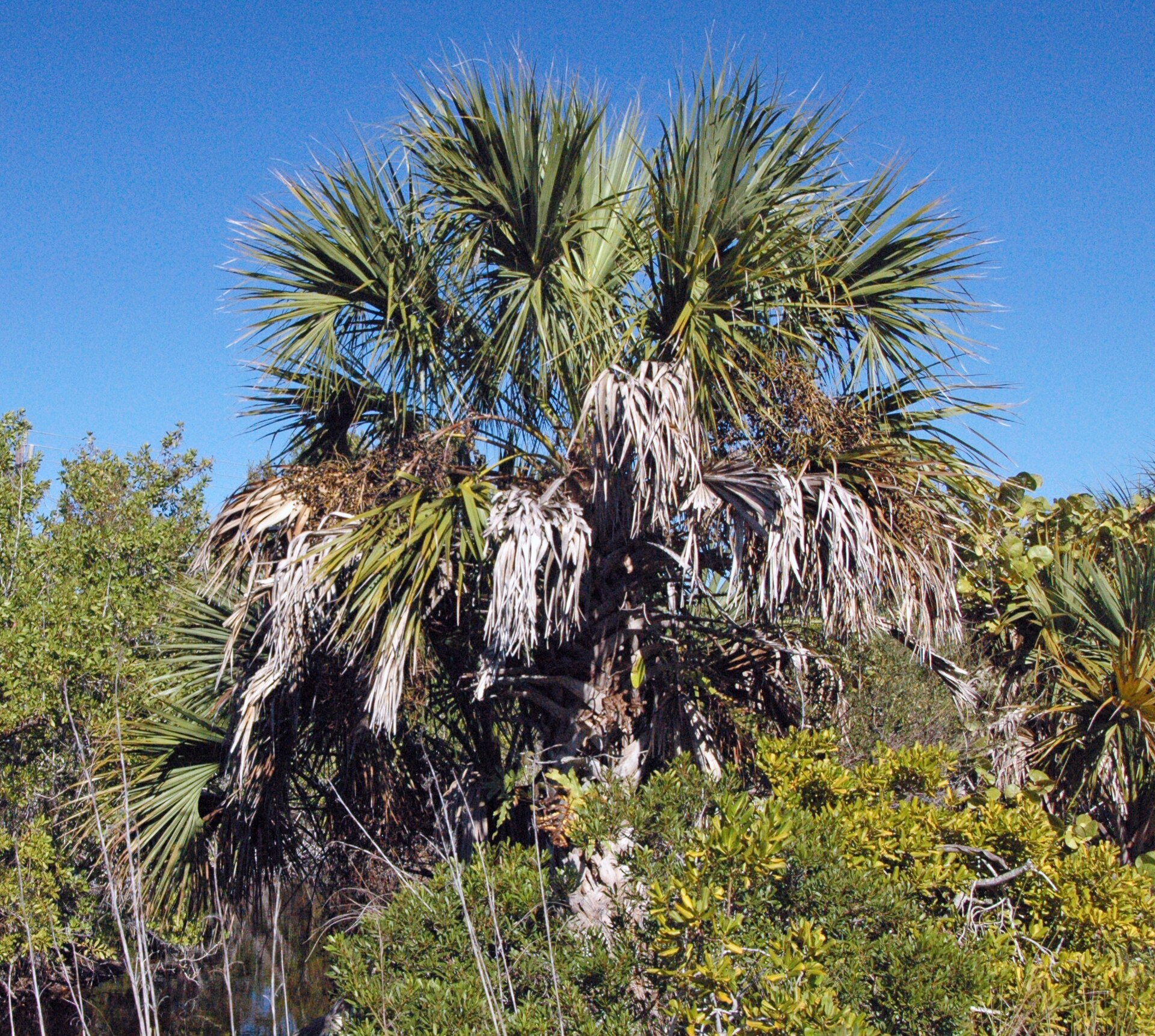
The 1925 renaming to Palm Bay
Tillman became Palm Bay in 1925, at the peak of the Florida land boom, named after a sabal-palm-bordered cove in the Indian River Lagoon. The new name took, the land boom collapsed the next year, and the town stayed quiet for thirty years.
- Civic history
The 1987 Palm Bay shootings
On April 23, 1987, William Cruse killed six people and wounded fourteen at two Palm Bay shopping centers. Two of the dead were Palm Bay police officers responding to the scene. Cruse was tried, convicted, sentenced to death, and died in prison before his sentence was carried out. The case is a fact of Palm Bay's history that the city has not erased and we do not sensationalize.
- Hurricanes
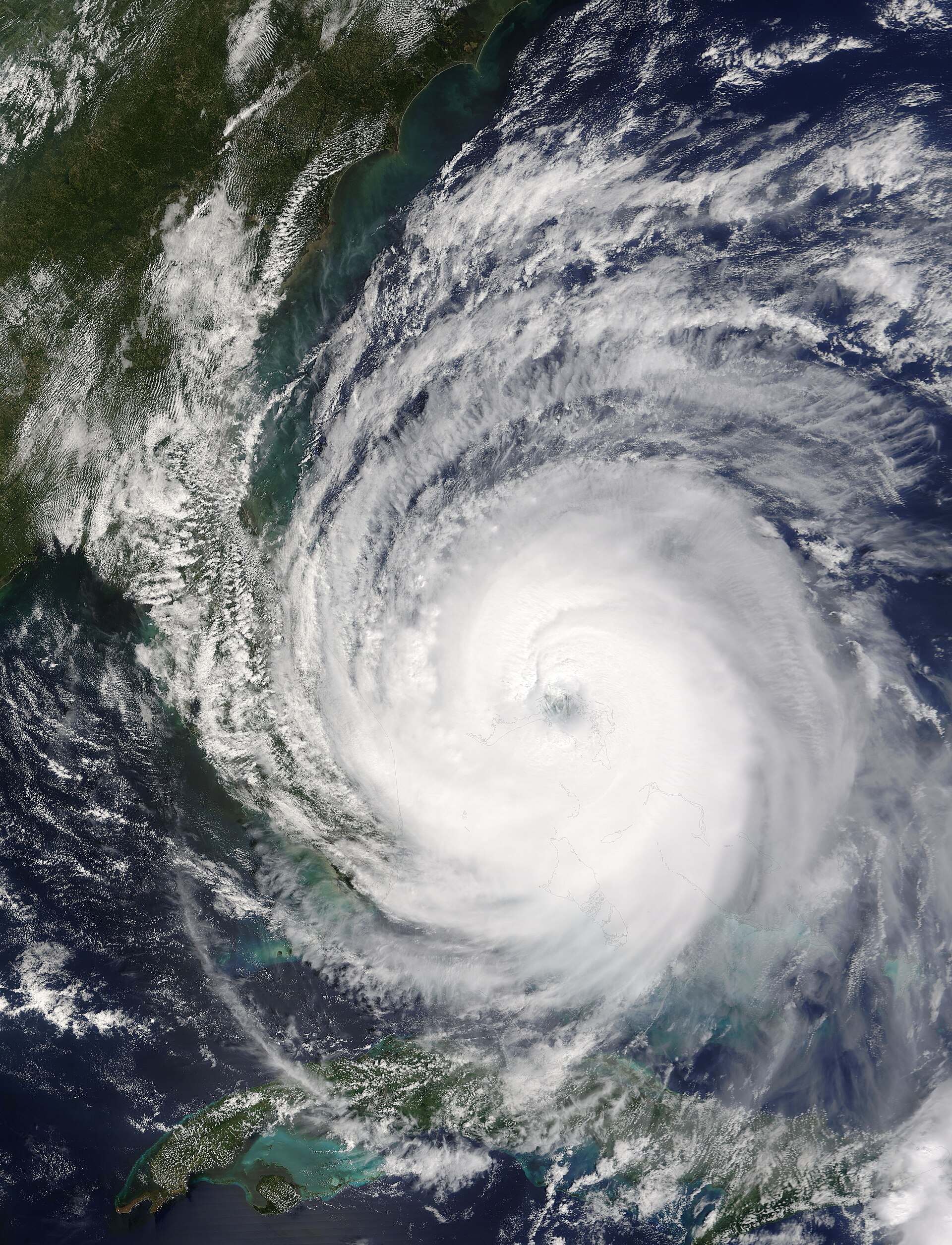
Hurricanes Frances and Jeanne hit Palm Bay, September 2004
In September 2004, two hurricanes made landfall in close succession on Florida's Atlantic coast and crossed directly over Palm Bay. Frances landed September 5; Jeanne landed September 25. Palm Bay's inland location did not protect it. Damage to housing, infrastructure, and trees was severe. Recovery took years.
- Hydrology
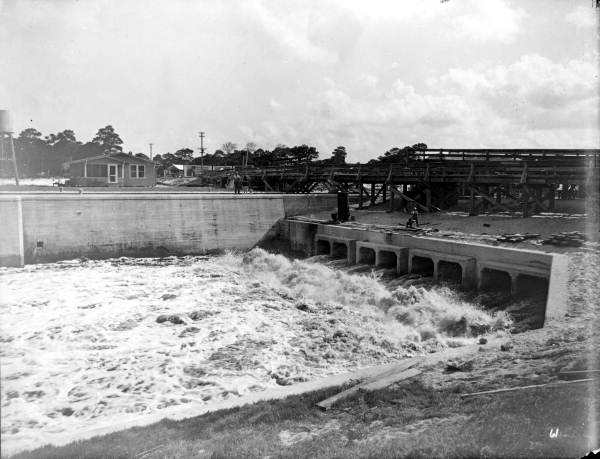
The 80-canal, 180-mile drainage grid that made Palm Bay buildable
Palm Bay sits on 40,000 acres of land that was, in 1922, mostly seasonal wetland. A drainage district started cutting canals that year; General Development Corporation expanded the system through the 1960s. The result is roughly 180 miles of canals discharging into Turkey Creek and the Indian River Lagoon. It worked. It's also poisoning the lagoon.
- Pre-Columbian
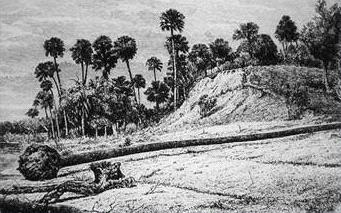
The Ais people at Turkey Creek
Before there was a Tillman post office or a General Development Corporation street grid, the freshwater springs feeding Turkey Creek drew the Ais, a non-agricultural coastal nation whose shell middens still mark the creek's mouth. They were here when Ponce de León's ships passed in 1513 and they were gone by 1763.
- Modern era
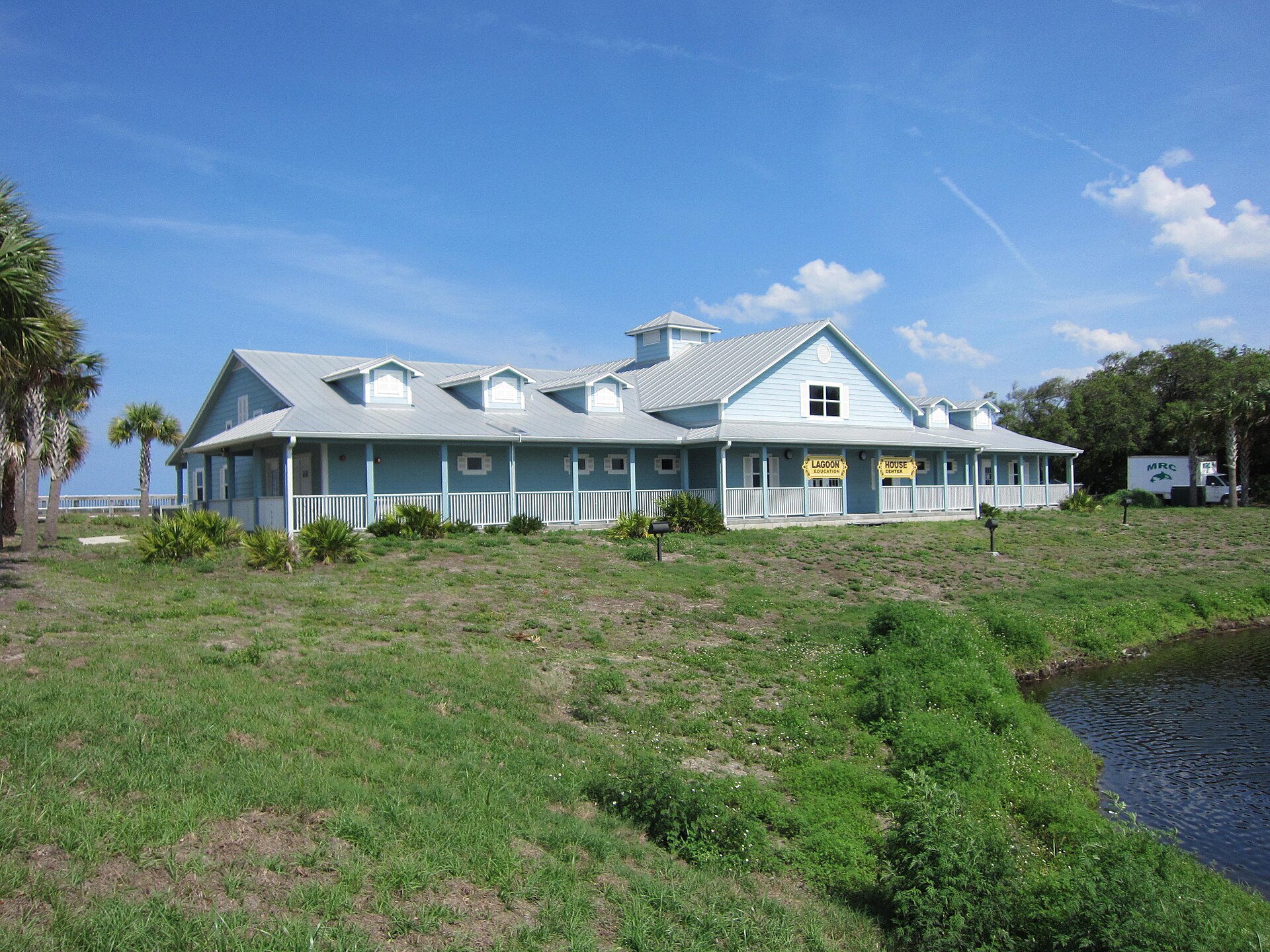
The Bayfront Community Redevelopment Area
Palm Bay's eastern waterfront, the original 19th-century Tillman footprint, has been the focus of a Community Redevelopment Area since 2003. The CRA is a $50 million-plus reinvestment effort aimed at the part of the city the GDC era left behind. Progress has been slow.
- Modern era
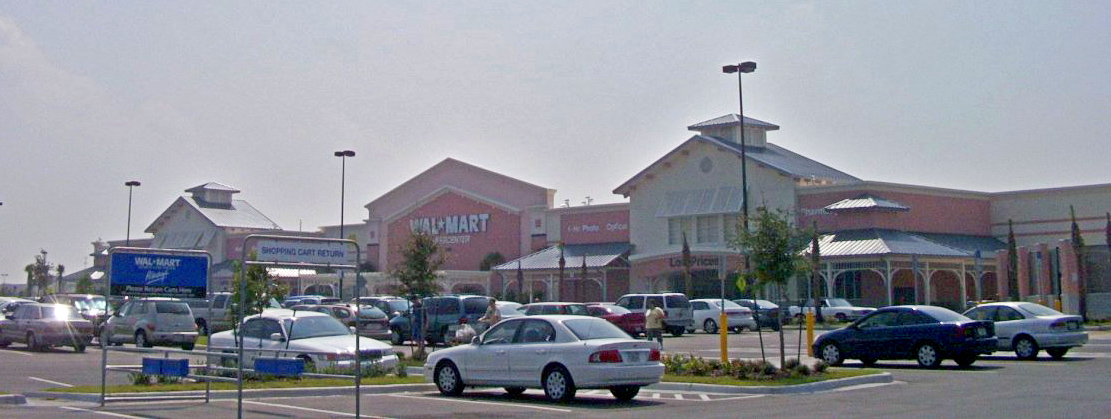
Bayside Lakes: the 1990s master-planned community on Palm Bay's southern edge
Bayside Lakes is the master-planned residential development that anchors Palm Bay's southern flank along Malabar Road and Babcock Street. It opened in the late 1990s, departs from the GDC-era platting pattern, and represents the first major non-GDC build-out inside Palm Bay's city limits.
- GDC era
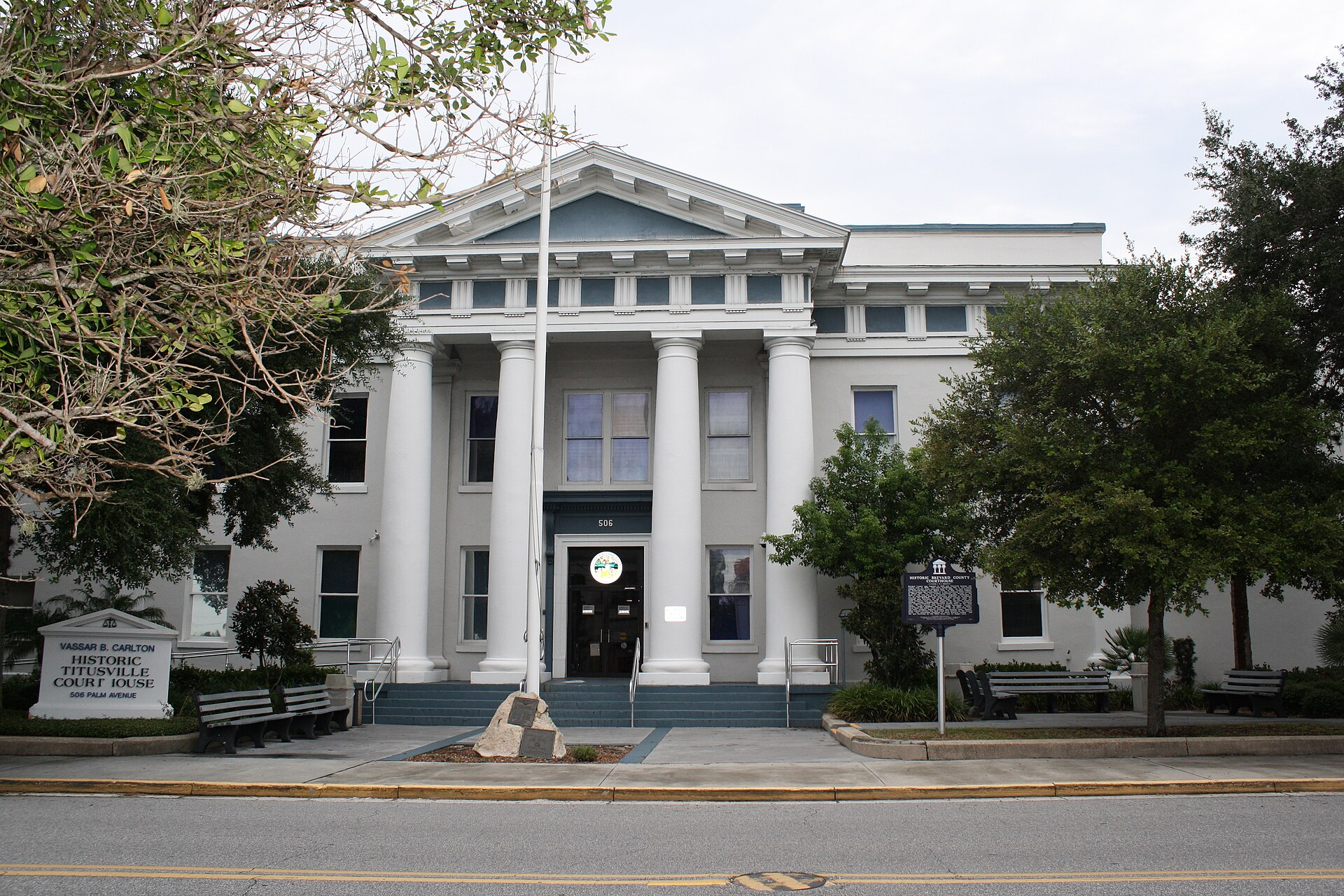
GDC's 1990 bankruptcy and what it left behind
General Development Corporation filed for Chapter 11 in 1990. Three executives went to federal prison. Tens of thousands of lot buyers were left holding contracts on property worth less than they had paid. The reorganization took years. The street grid stayed.
- GDC era
General Development Corporation buys Palm Bay, 1959
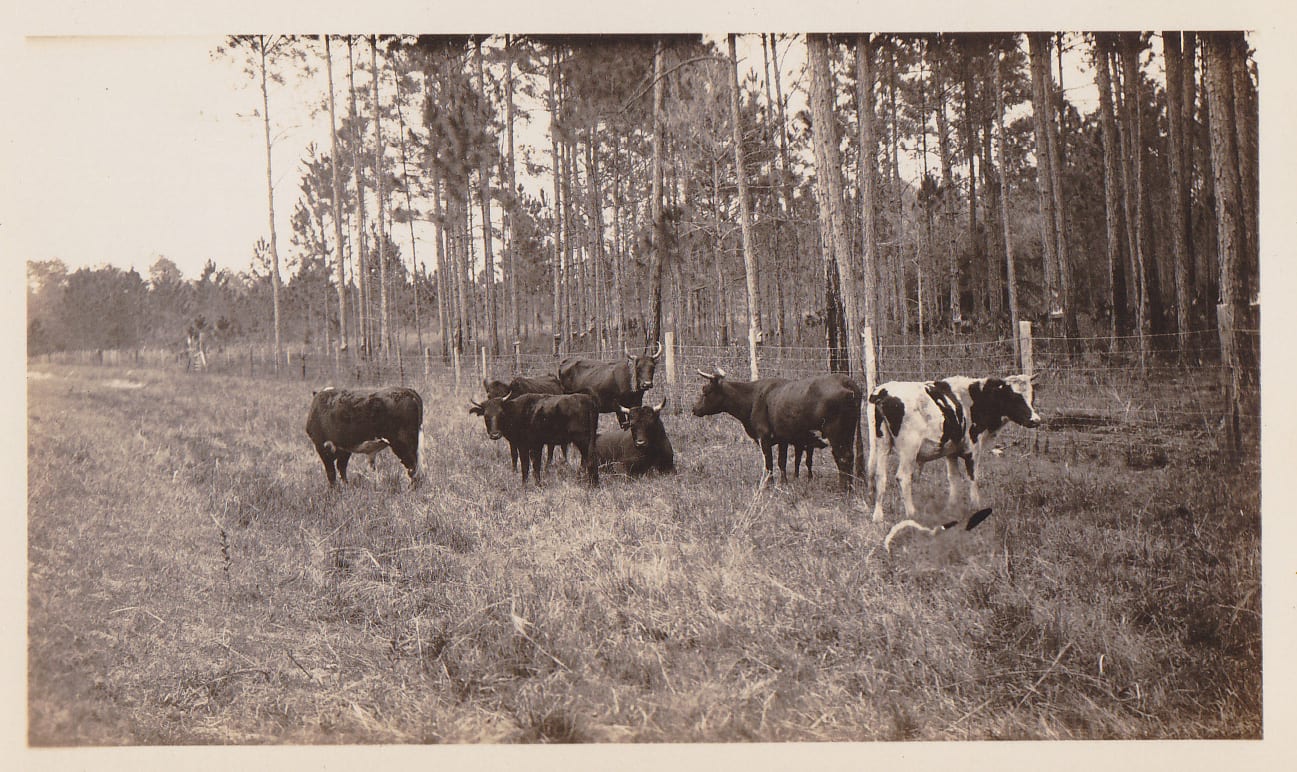
In 1959 General Development Corporation purchased roughly 41,000 acres west of the Indian River and launched what would become the largest planned subdivision in Florida history. The company sold lots by mail to out-of-state buyers, drained 40,000 acres of swamp, and reshaped southern Brevard County completely.
- GDC era
GDC's sales-by-mail era, 1960s through 1980s
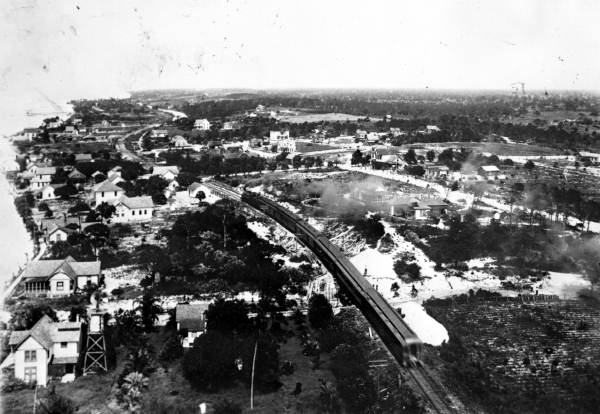
General Development Corporation sold tens of thousands of Palm Bay lots to out-of-state buyers who never visited the property. The pitch was $10 down, $10 a month, a quarter-acre of Florida. The reality, for many buyers, was a lot they could never resell, on a street that would never get utilities, owned through a contract that gave them almost no equity until the final payment cleared.
- Naming history
Indian River City: what Palm Bay was almost called in the 1950s
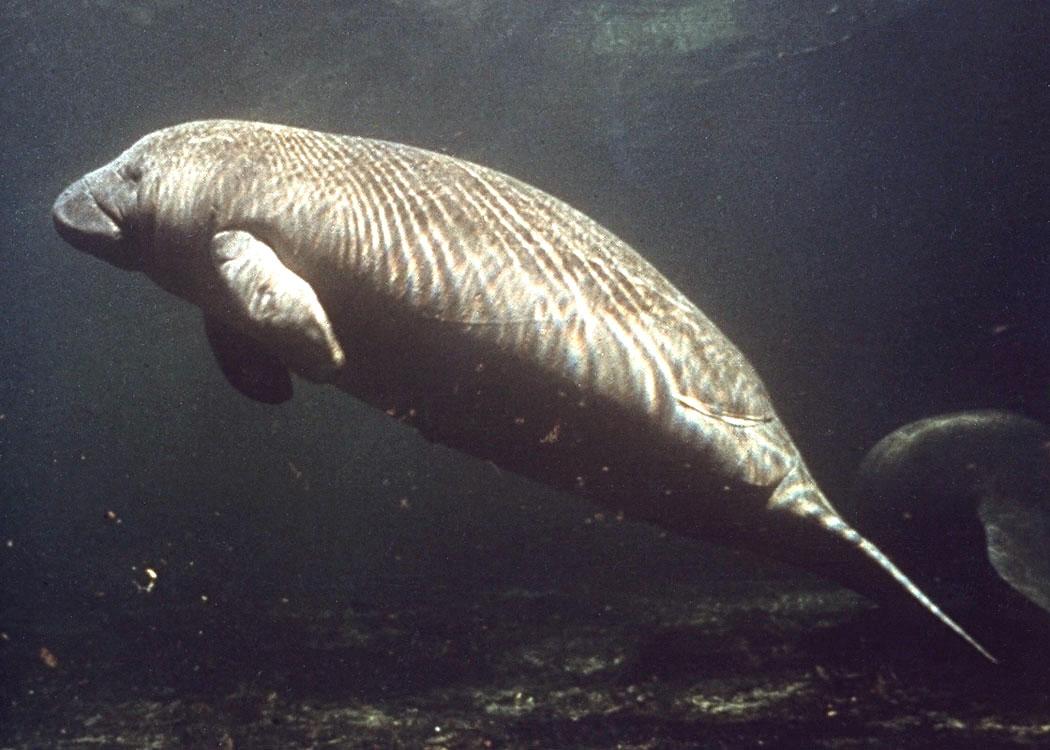
Between Tillman and modern Palm Bay there was a brief mid-century episode when the community considered renaming itself Indian River City. The name appears in some 1950s records but never fully took. By 1960, when General Development arrived, Palm Bay was back.
- Natural history
The Indian River Lagoon at Palm Bay
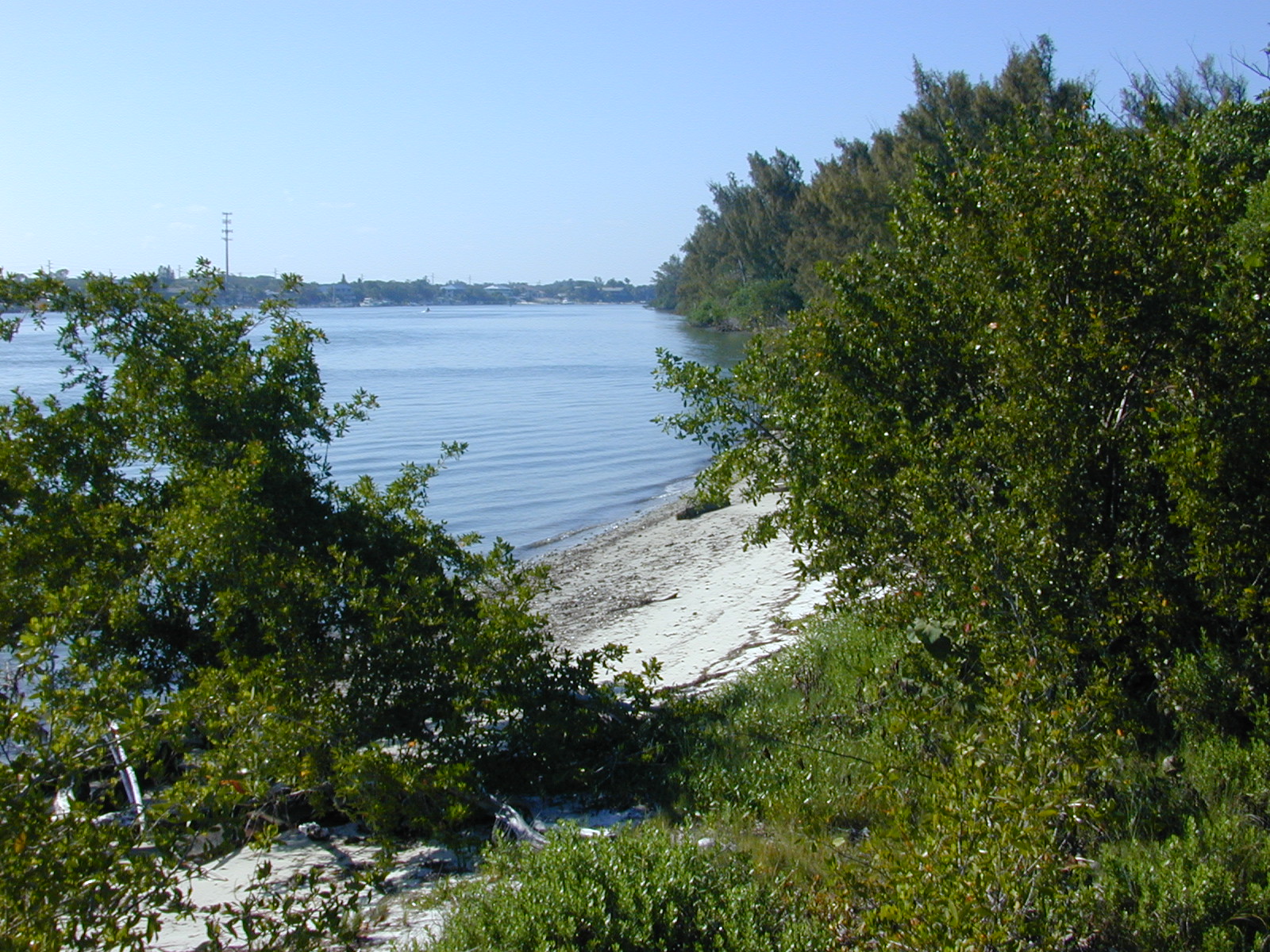
The Indian River Lagoon forms Palm Bay's eastern boundary. It's one of the most biodiverse estuaries in North America. It's also dying, slowly, from nutrient pollution that the Palm Bay drainage system contributes to substantially. The lagoon's condition is the city's most consequential long-term environmental story.
- Modern era
What modern Palm Bay actually is
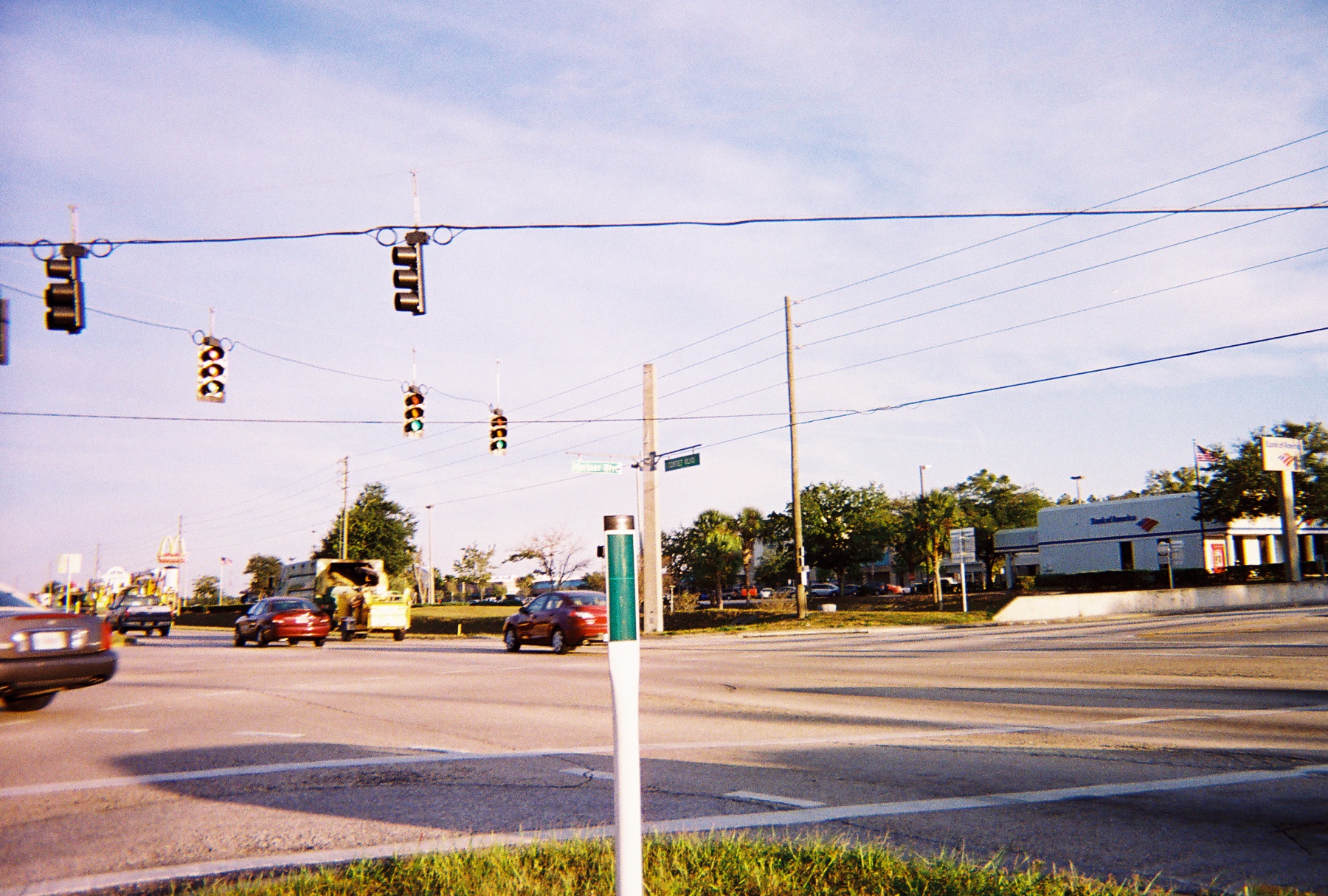
Palm Bay is Brevard County's largest city by population. It has the county's largest land area. It has no clearly defined downtown. It has no signature industry. It is mostly residential, mostly suburban, mostly the product of a 65-year-old land development plan that has substantially run its course. This is what Palm Bay is in 2026.
- Demographics
Palm Bay's first Black community
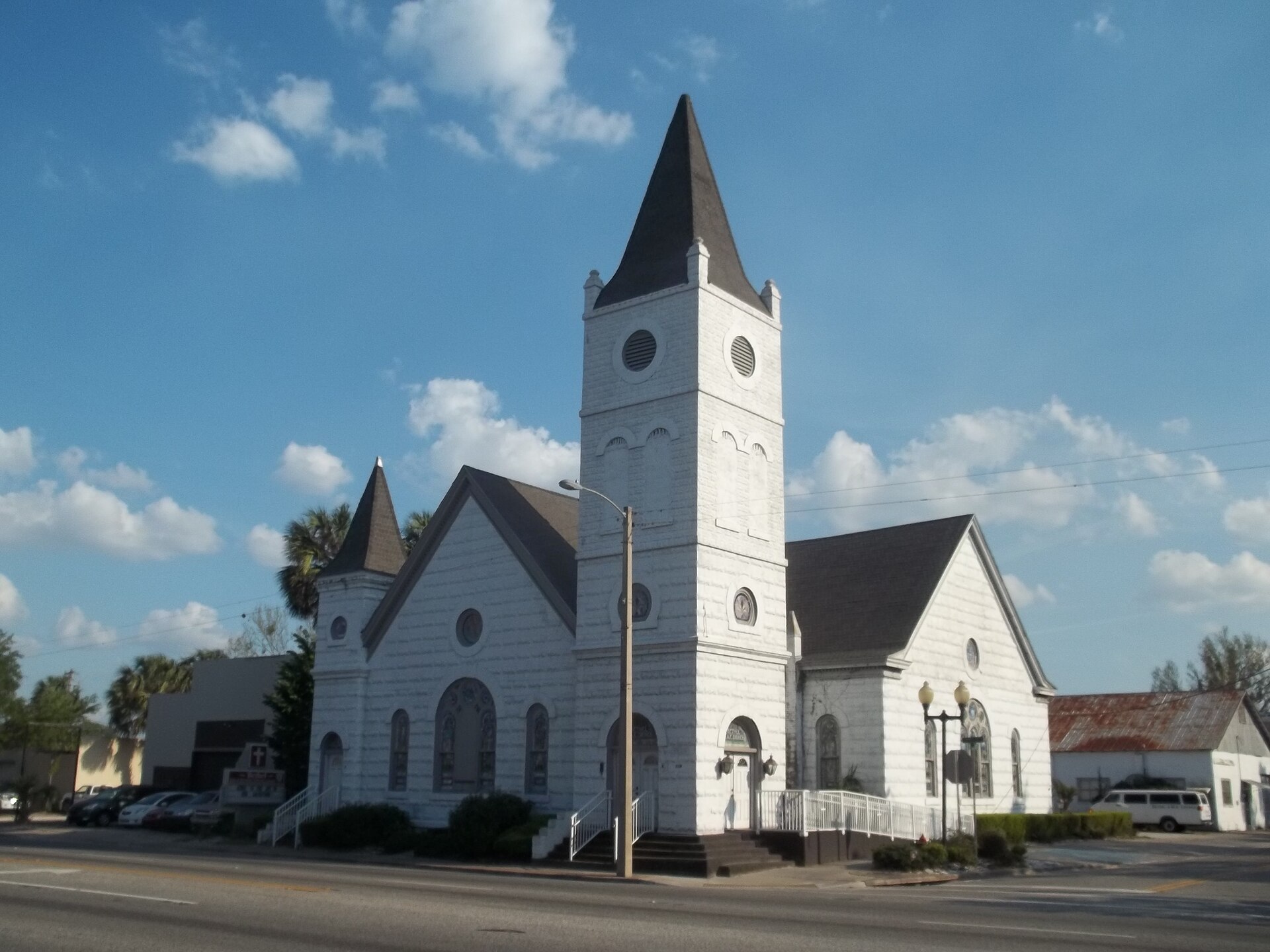
Florida's Indian River coastal communities had Black residents from the early 19th century forward, with the Tillman/Palm Bay area's Black population growing through the citrus era, the railroad construction era, and the early 20th century. The community has been documented in census records, in church records, and in oral histories preserved by Florida's Black archives. The story is partial; many of the records are gone.
- Schools and sports
The Palm Bay High Pirates
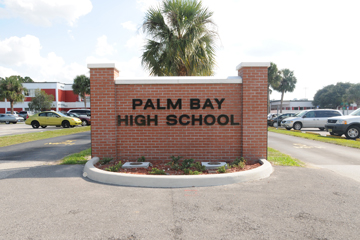
Palm Bay High School opened in 1968 as the city's first high school. The Pirates, in the school's purple-and-gold color scheme, are the longest-running athletic identity in Palm Bay. Football, basketball, baseball, softball, and the other Florida High School Athletic Association sports have anchored civic identity for half a century.
- Demographics
Palm Bay's Hispanic community, 1980s to now
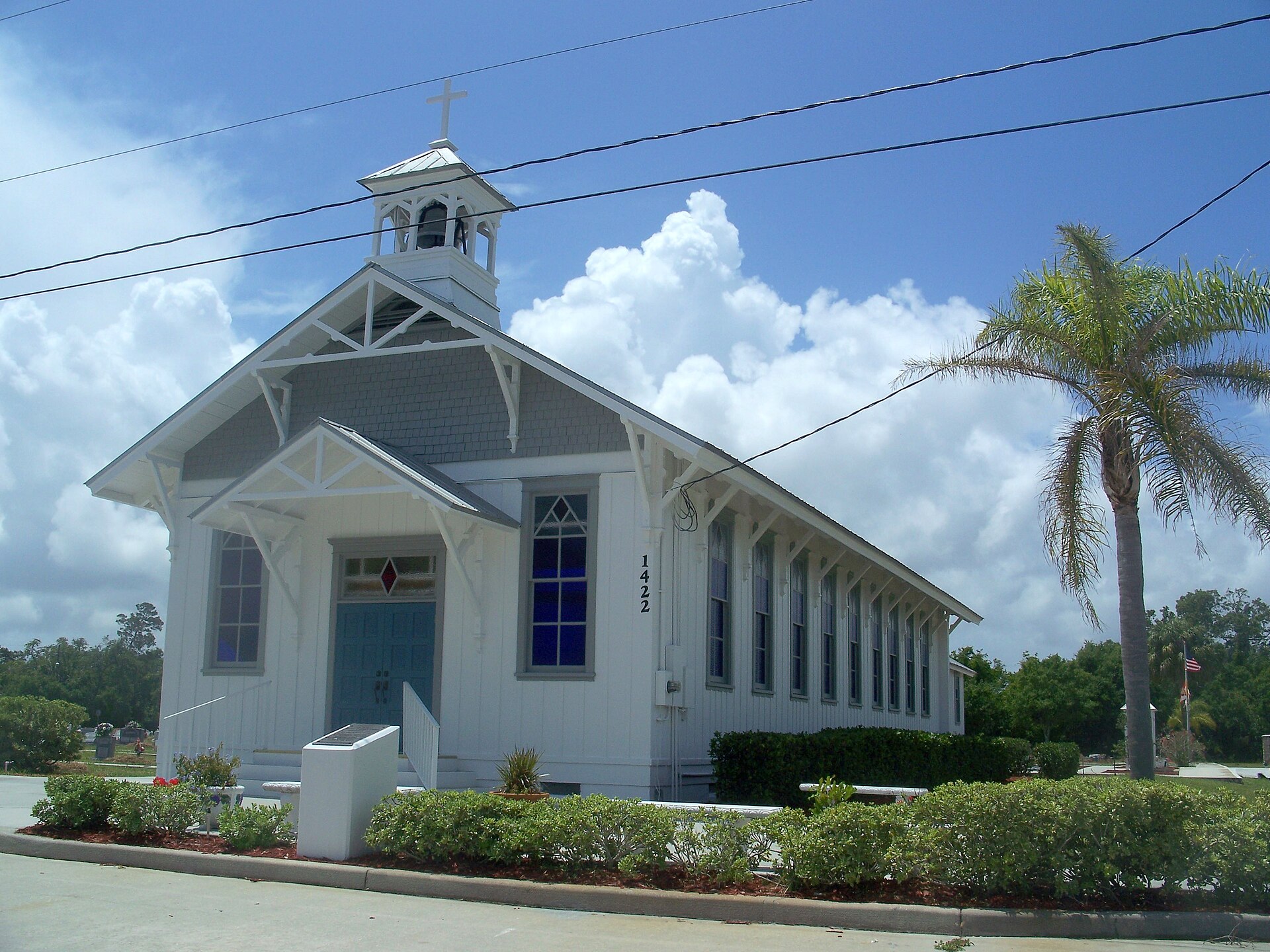
Palm Bay was nearly 90% non-Hispanic white in 1980. By 2020 Hispanic residents made up approximately 20% of the city's population. The shift tracks broader Florida demographics and includes substantial Puerto Rican migration, particularly after Hurricane Maria in 2017.
- Civic history
Palm Bay incorporates as a city, 1960
Palm Bay became a chartered Florida municipality on January 16, 1960. The incorporation was driven by the General Development Corporation's 1959 land purchase and the need for a local government that could manage the planned subdivisions before they generated more population than the existing unincorporated structure could handle.
- Demographics
The Palm Bay population explosion, 1970 to 2020
Palm Bay went from 2,808 residents in 1970 to over 120,000 in 2020. That's a 4,200% increase in five decades, one of the largest sustained percentage growth rates in U.S. census history for a Florida municipality. The driver was the GDC lot inventory steadily converting to built houses through six decades of in-migration.
- Infrastructure
Palm Bay Road and Palm Bay Boulevard: the east-west spine
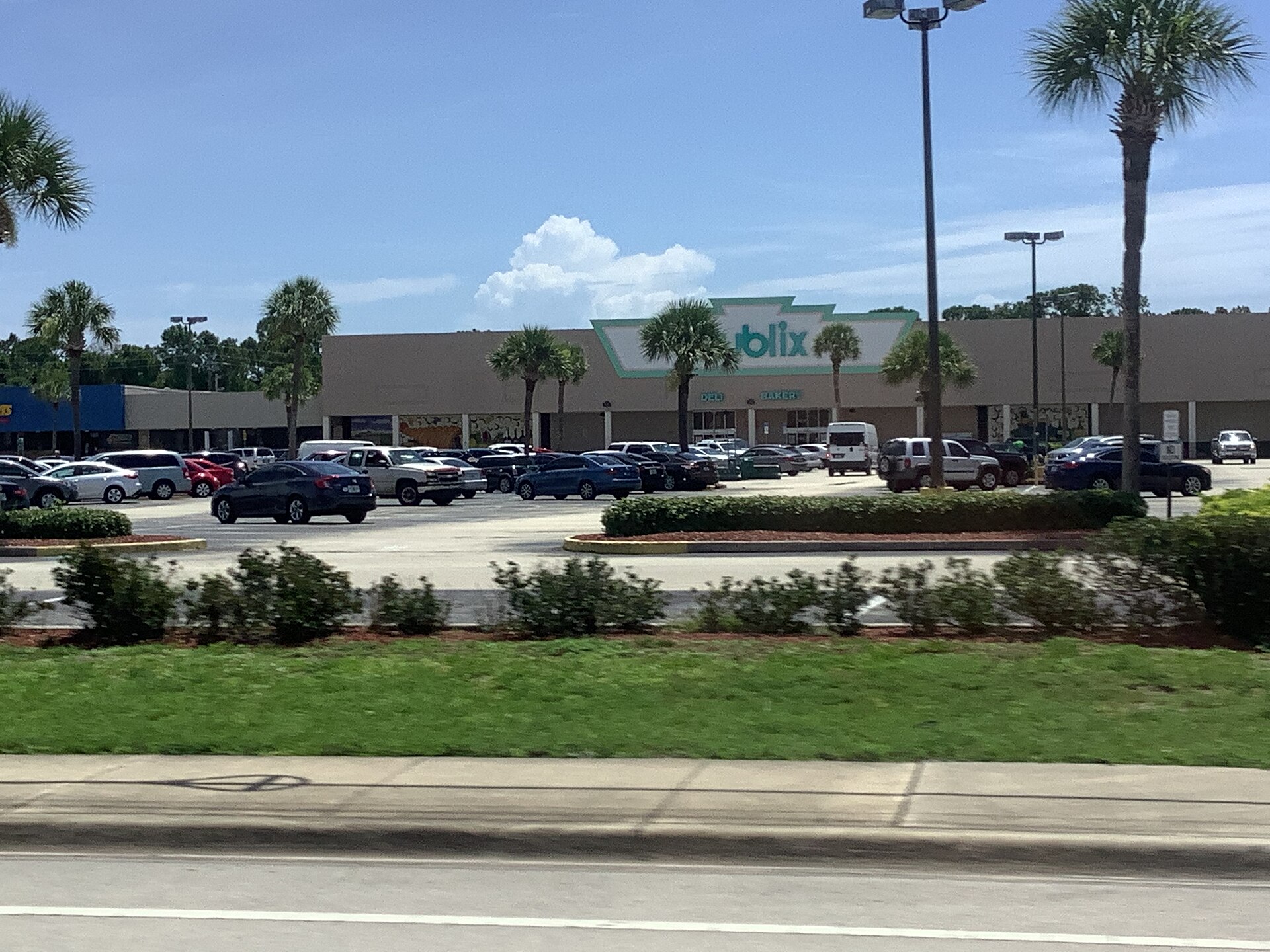
Palm Bay Road runs east-west across the city, connecting the Indian River waterfront to the inland GDC neighborhoods and continuing west toward I-95 and beyond. It's the principal east-west arterial; Palm Bay Boulevard is its inland continuation. The road was paved in stages between the 1960s and 1990s as the city grew.
- Civic history
Palm Bay schools, 1960 to now
When Palm Bay incorporated in 1960, it had one elementary school serving roughly 600 residents. The city now has dozens of public schools serving over 120,000 people, organized under the Brevard County School District. The growth track was set by GDC's lot sales and by the in-migration that followed.
- Natural history
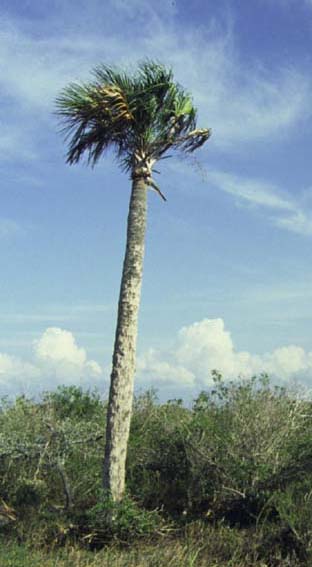
Sabal palms and the Palm Bay namesake
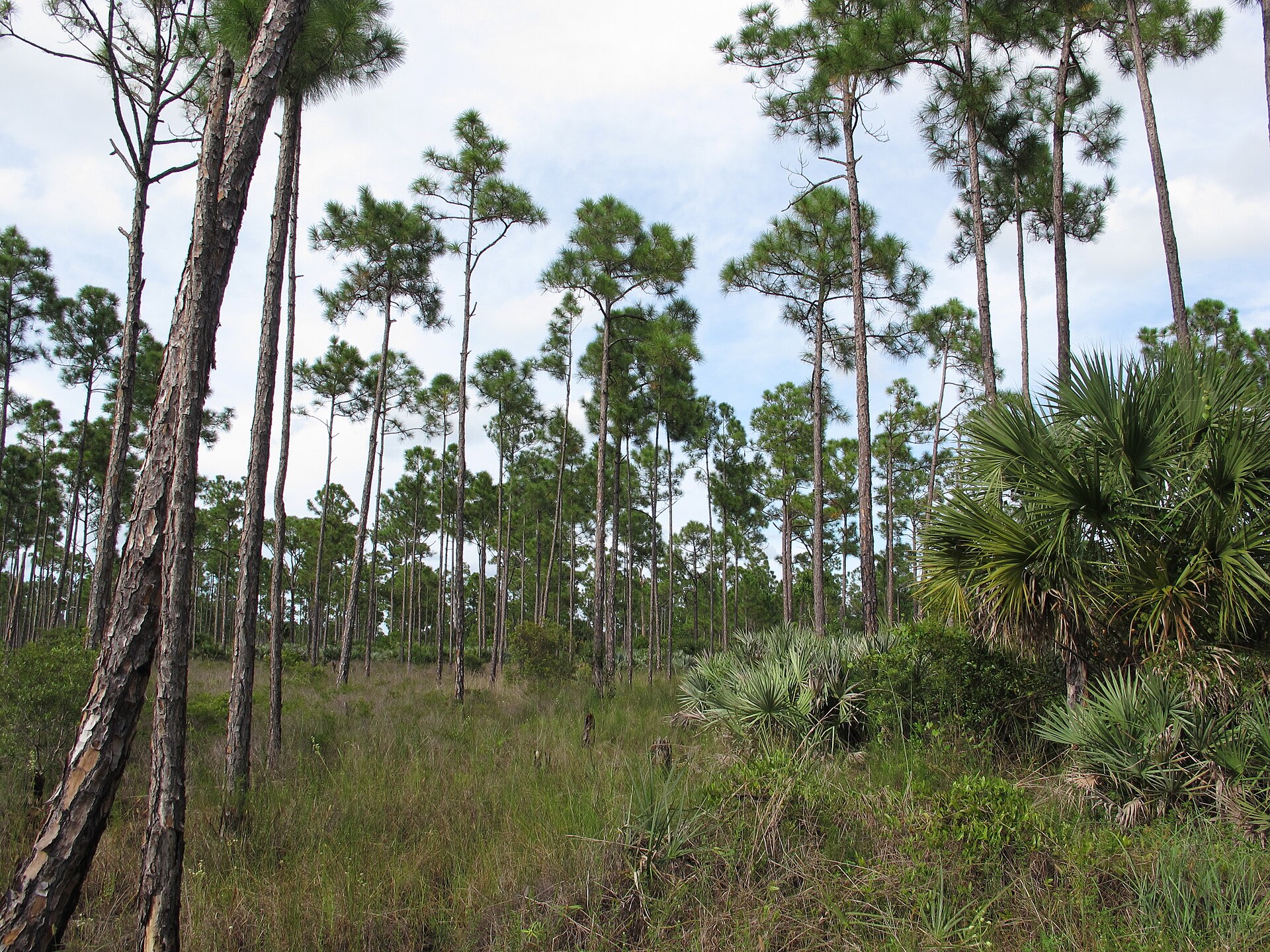
The sabal palmetto, Florida's state tree, is the species that gave Palm Bay its 1925 name. The trees lining the western shore of the Indian River south of the Palm Bay Road causeway were the visual reference. They're still there. They live 200-300 years. Some of the same individuals that named the city in 1925 are still standing today.
- Early settlement
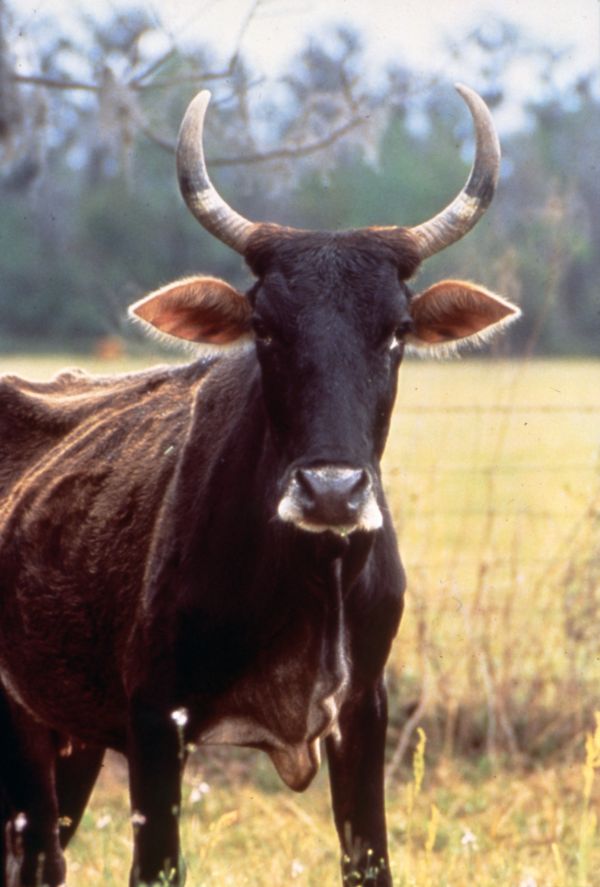
Tillman: what Palm Bay was called before 1925
For roughly forty years before it became Palm Bay, the settlement on the western side of the Indian River was called Tillman. The name belonged to a postmaster, lasted from the 1880s through 1925, and outlived the citrus economy that gave the village its first reason to exist.
- Early settlement
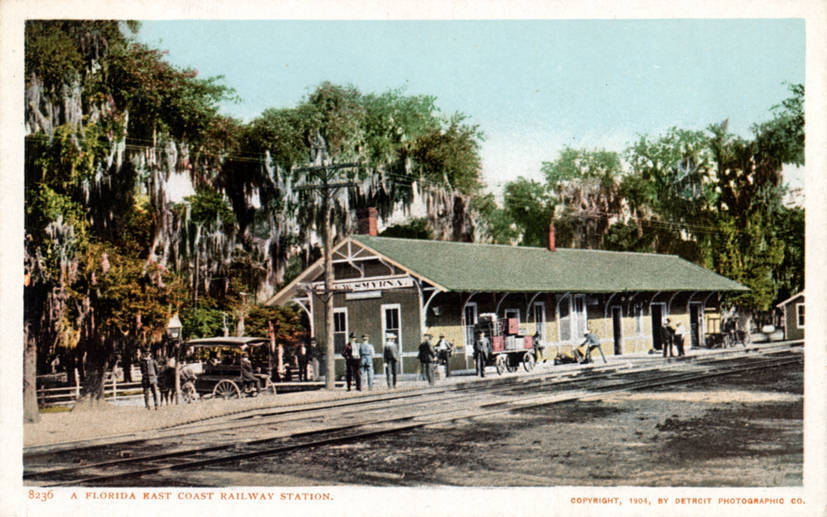
The original Tillman post office
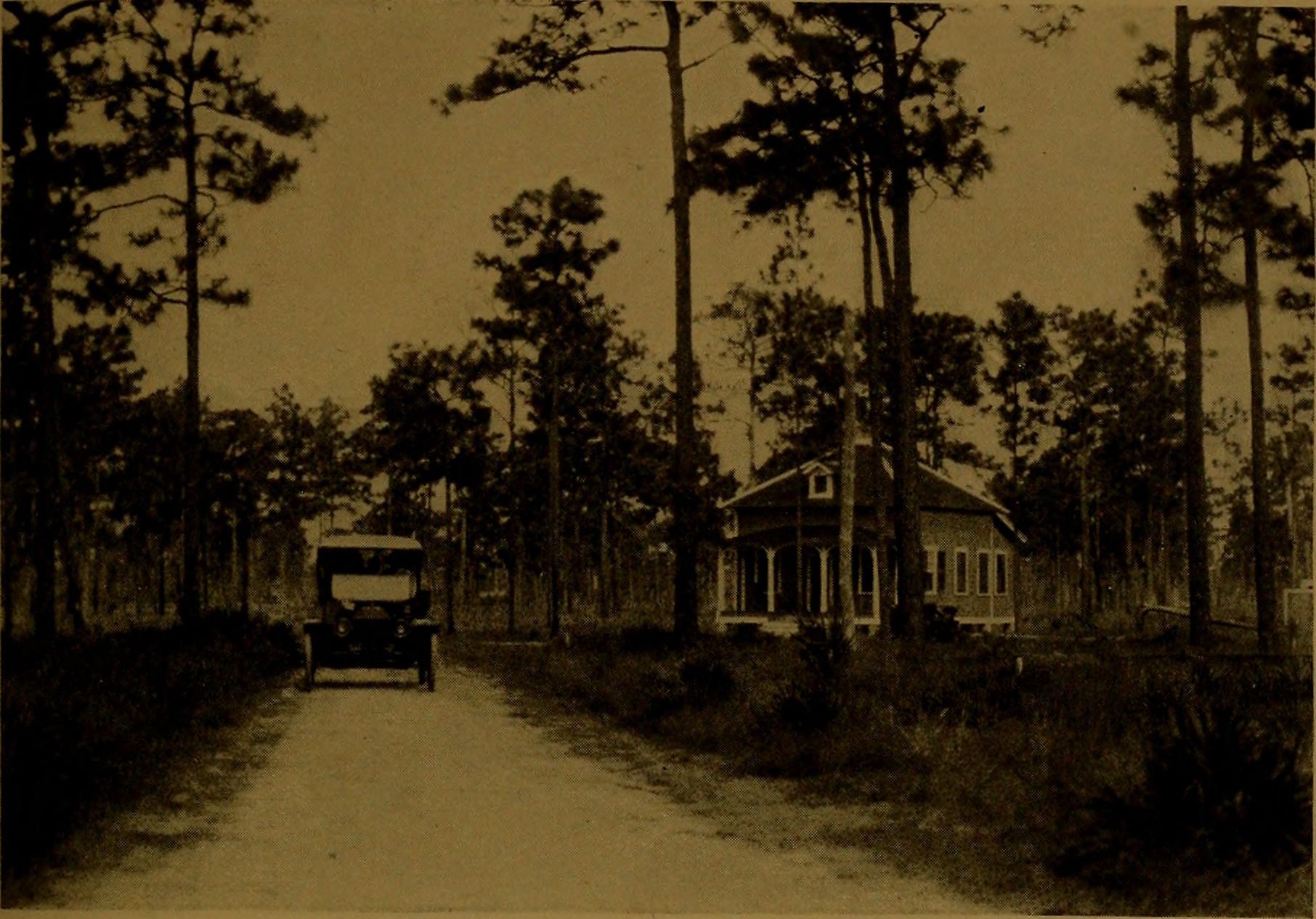
The Tillman post office opened in 1885 and operated until the 1925 rename to Palm Bay. The post office was the village's first piece of federal infrastructure and the reason the place had a recognized name at all. The original building's exact location is not documented in surviving records.
- Natural history
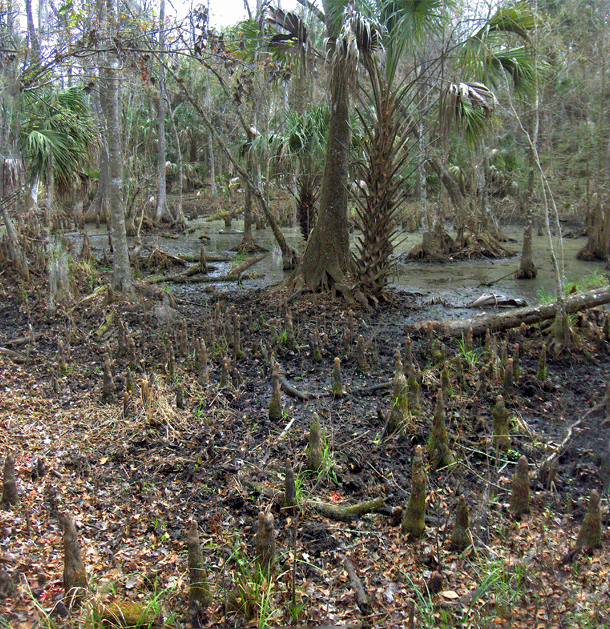
Turkey Creek Sanctuary: the freshwater spring the Ais came for
Turkey Creek Sanctuary is 130 acres of preserved hammock, swamp, and freshwater spring run on the eastern edge of Palm Bay. It's the last largely-intact piece of the landscape the Ais people fished and the 19th-century settlers fished after them. It's also a small refuge inside a city built by draining everything around it.
- Editorial
What 'Old Palm Bay' means : editorial premise
This site uses the domain oldpalmbay.com. The domain previously hosted, from 2011 to 2017, a Palm Bay nostalgia site that read the GDC era as a long environmental and civic loss. This site has a broader scope: the full history, not the loss narrative. The choice to use this domain is deliberate. The reasoning is below.